Governor of California Gavin Newsom has proclaimed a state of emergency as more than 30,000 people in Los Angeles have been ordered to evacuate a large and dangerous wildfire which covers around 3,000 acres and continues to grow, threatening thousands of buildings and structures.
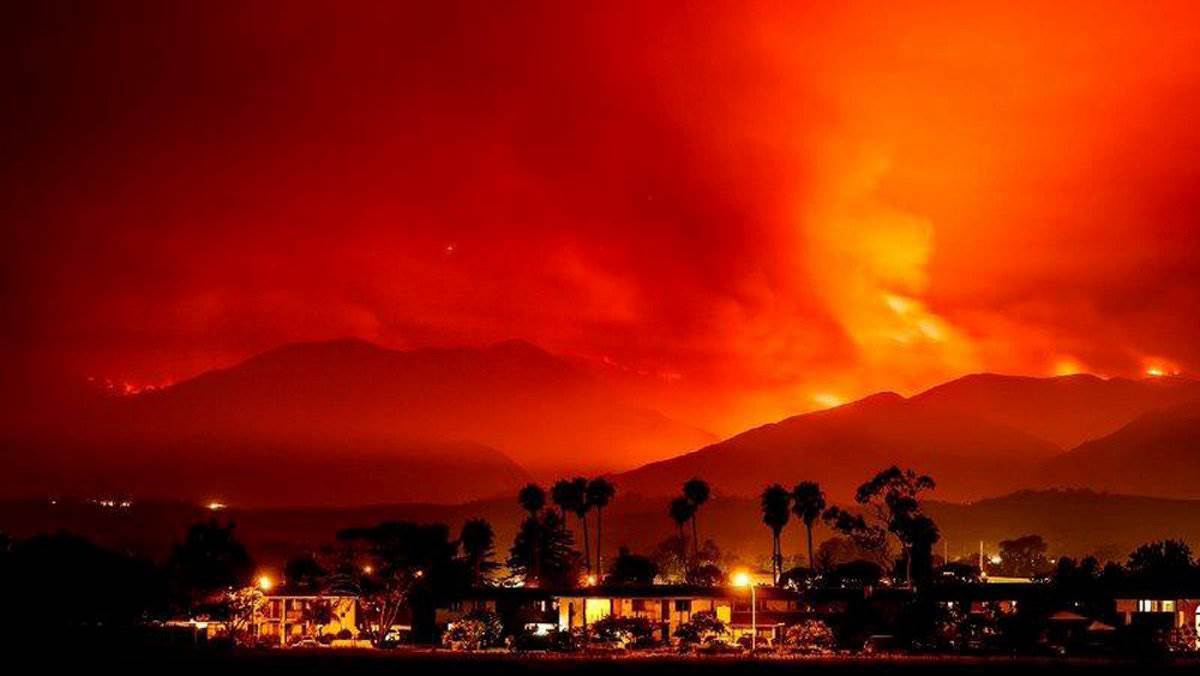 On January 7th, the Palisades Fire ignited in Los Angeles County, burning over 1,200 acres at the time the state of emergency was declared.
Mainstream news reports that the blaze is now across more than 3,000 acres and continues to spread, with over 250,000 people without power due to the fire.
The fire broke out around 10:30 local time on Tuesday, and spread incredibly fast as a result of high winds and extremely dry conditions, which are expected to push flames towards the city, according to the LA Fire Department.
In fact, reports suggest that the fire grew from just 10 acres to 3,000 in a matter of hours.
Fire Chief Kristin Cowley said that more than 13,000 structures were under threat from the fires, and when in Southern California, California Gov. Newsom said that he found “many structures already destroyed.”
“This is a highly dangerous windstorm that’s creating extreme fire risk, and we’re not out of the woods. We’re already seeing the destructive impacts with this fire in Pacific Palisades that grew rapidly in a matter of minutes,” said Gov. Newsom.
Images online show residents abandoning cars to escape the flames and the fires still raging in LA, consuming homes and businesses, remaining a particular threat to the Pacific Palisades neighbourhood, which is a wealthy area.
On the ground, LA’s KTLA 5 reported recently that there “were so many homes destroyed along Sunset Boulevard”, and officials also confirmed to the station that several people, including a firefighter, have been injured in the fires.
The fire has been fuelled by the Santa Ana winds, which are common in Southern California during cooler months. Santa Ana winds are dry yet warm and gusty northeast winds that blow from the interior of Southern California toward the coast and offshore, created by high pressure over the Great Basin.
These winds had been forecasted and typically would not cause too much concern this time of year, but it has been extremely dry and there’s a lot of fuel for wildfires right now. Some forecasters were calling the meteorological setup for this Santa Ana wind event a worst case scenario. The winds are likely to remain very strong, with up to hurricane force gusts through Wednesday, making fire fighting challenging, potentially spreading the blaze further.